In Situ Abalone and Oyster Counting with Biometrics
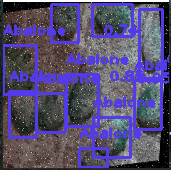
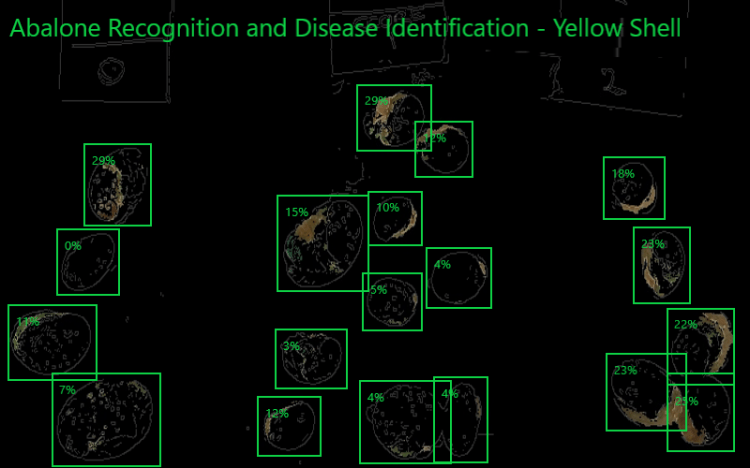
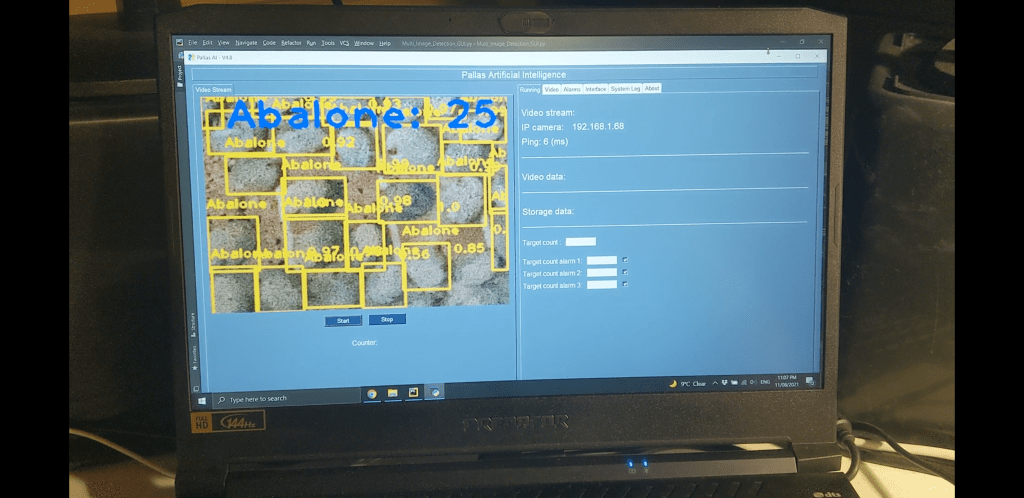
In this project, we focused on developing a solution for in situ abalone and oyster counting, incorporating biometric measurements. By leveraging artificial intelligence (AI), we aimed to revolutionize inventory management and control. Here are the key aspects of the project:
Benefits:
- Counting: The project aimed to accurately count the population of abalone and oysters in their natural habitat, eliminating the need for manual counting methods.
- Measuring: Biometric measurements were taken to assess the size and dimensions of the abalone and oyster specimens, providing valuable data for analysis and grading purposes.
- Grading: The biometric measurements allowed for the grading of abalone and oysters based on predetermined criteria, facilitating efficient inventory management and quality control.
- Disease Recognition: The incorporation of AI enabled the recognition of disease symptoms and anomalies in the abalone and oyster populations, aiding in early detection and disease management efforts.
Components:
- Images: High-resolution images were captured of the abalone and oyster populations, serving as the primary data source for counting and biometric measurements.
- AI Algorithms: Advanced AI algorithms were utilized to analyze the images and extract relevant data, such as count, measurements, and disease indicators.
Through the integration of AI and the utilization of images, this project aimed to introduce innovative approaches to inventory management and control in the abalone and oyster industry. The benefits included accurate counting, precise measurements, efficient grading, and disease recognition, ultimately contributing to better resource management and improved quality control.
AI Barramundi Counter for Fish Monitoring
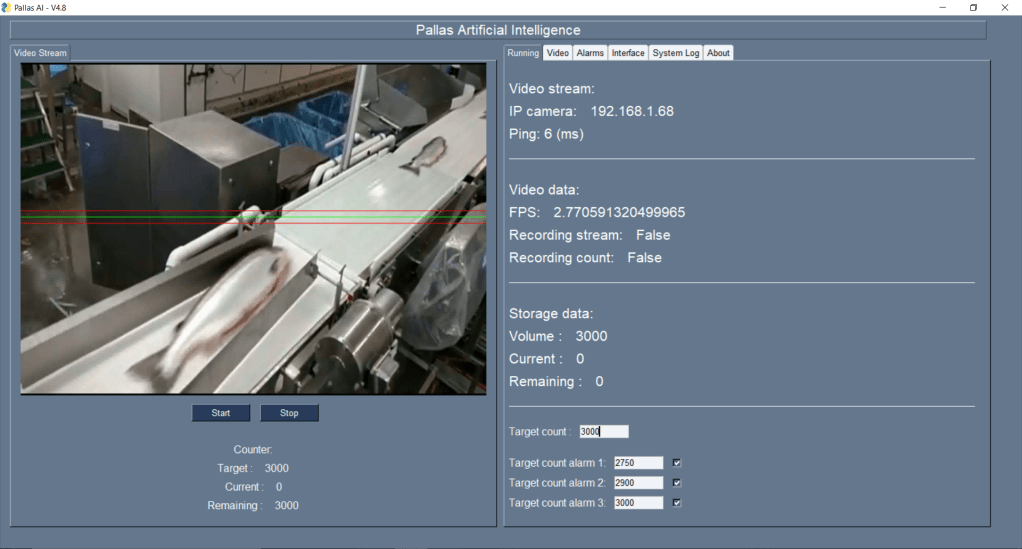
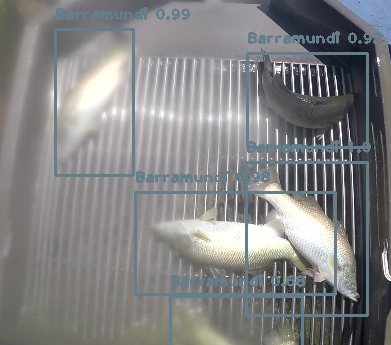
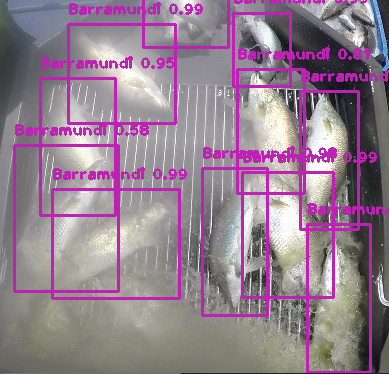
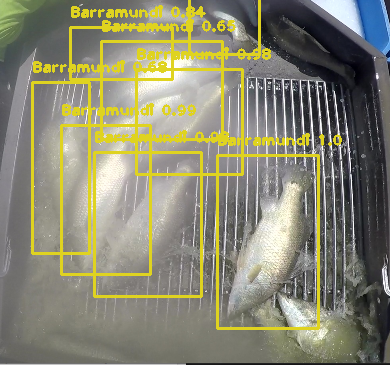
In this project, I developed an AI-powered Barramundi counter for fish monitoring, leveraging various components to achieve accurate and efficient counting. Here are the key aspects of the project:
Components:
- Camera: A camera was used to capture video footage of the Barramundi fish population.
- Python: The AI algorithms and image processing techniques were implemented using the Python programming language.
- Lots of data: A substantial amount of data, including fish images and corresponding labels, was collected to train and validate the AI model.
Benefits:
- Accurate Fish Counting: The AI Barramundi counter provided precise counting of the fish population, eliminating the need for manual counting methods that are prone to errors.
- Time and Cost Savings: Automating the fish counting process significantly reduced the time and effort required compared to manual counting methods, leading to cost savings.
- Real-time Monitoring: The AI counter enabled real-time monitoring of the fish population, allowing for timely decision-making and adjustments in fishery management.
- Data-driven Insights: The abundance of data collected during the project allowed for comprehensive analysis, providing valuable insights into fish population trends and behavior.
By developing the AI Barramundi counter and leveraging extensive data, this project introduced an efficient and accurate solution for fish monitoring. The benefits included precise fish counting, time and cost savings, real-time monitoring capabilities, and data-driven insights, contributing to improved fishery management practices.
Abalone Biometric Scale for Enhanced Data Collection
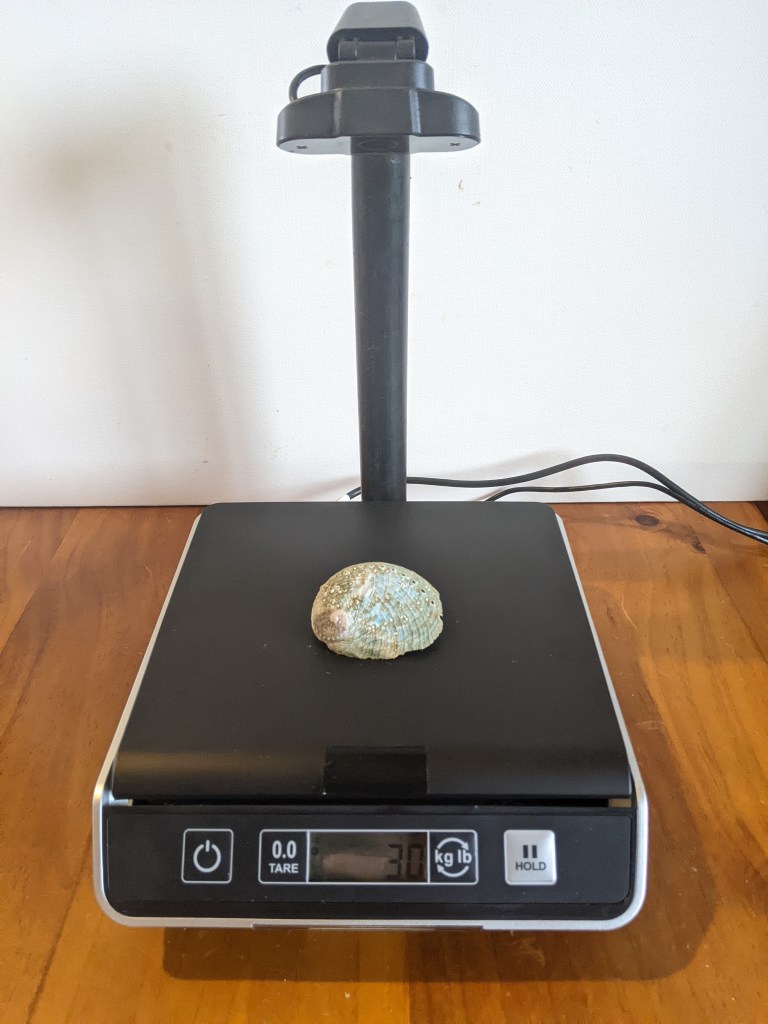
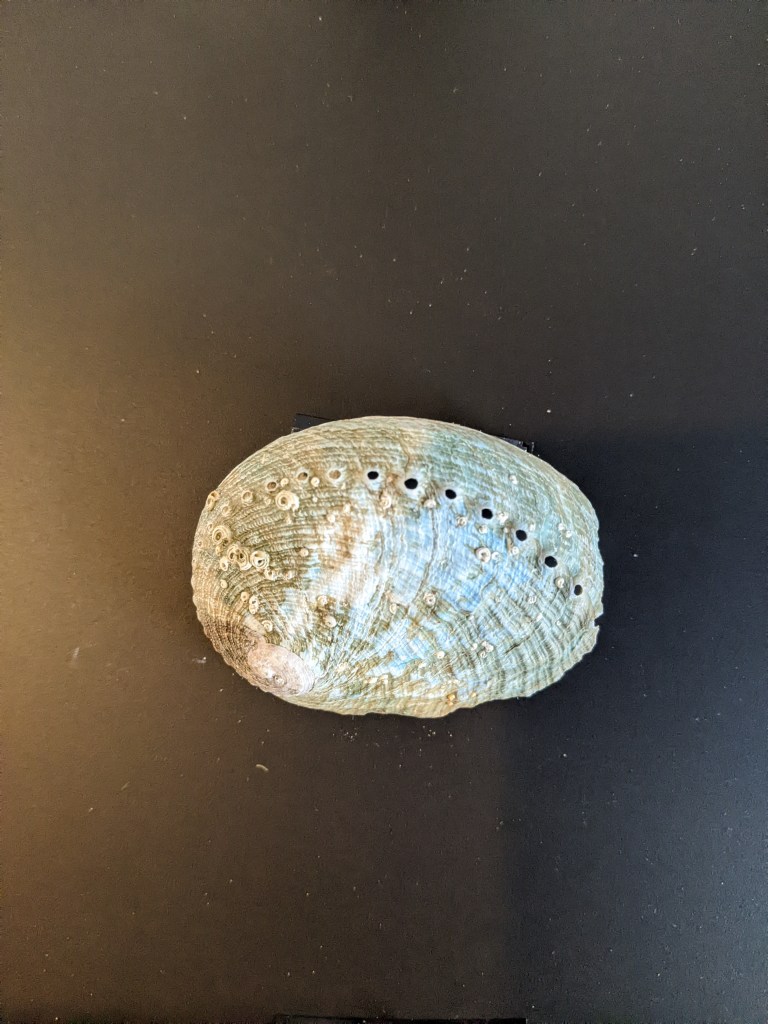
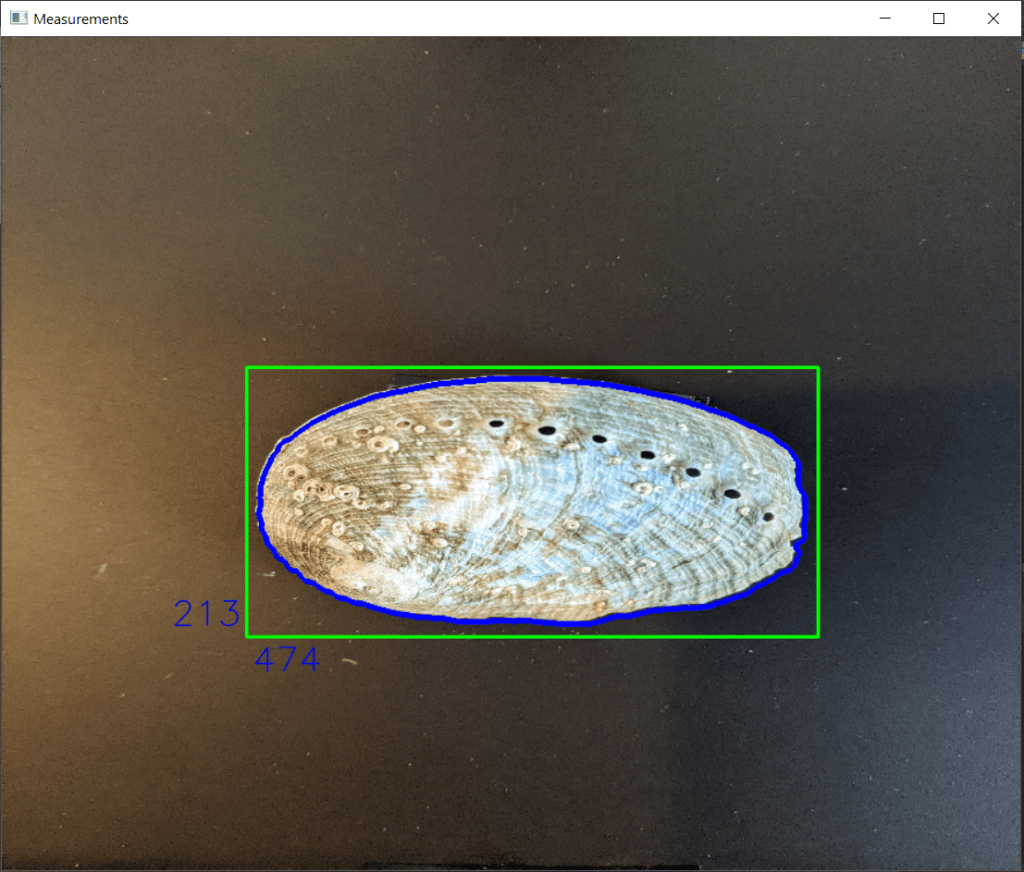
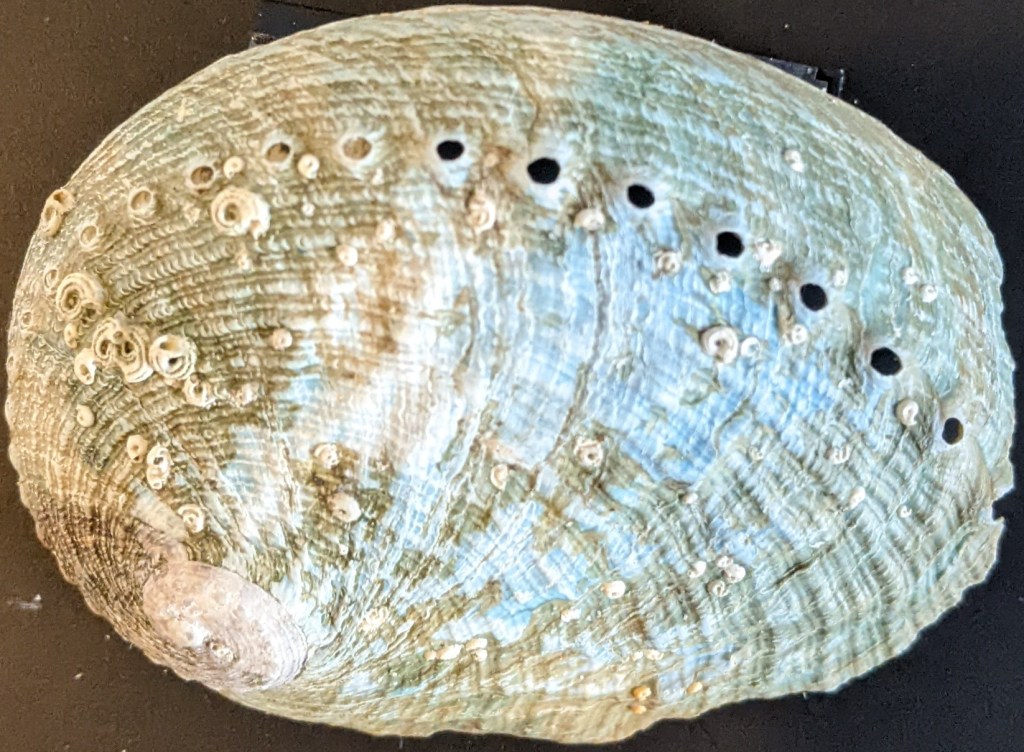
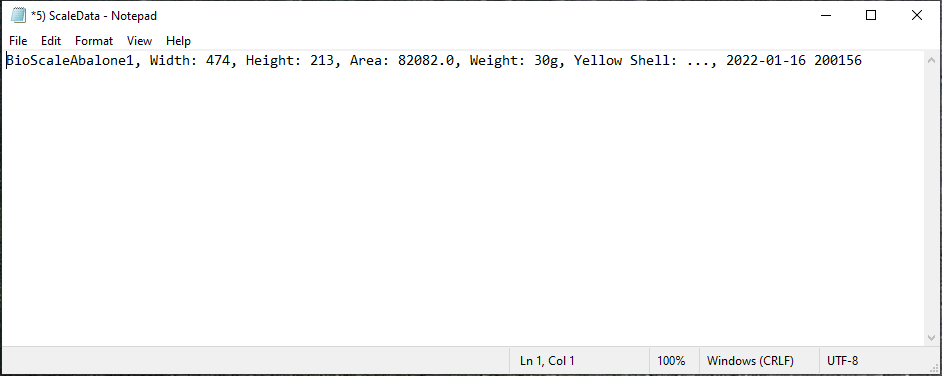

In this project, our focus was on developing an Abalone biometric scale to optimize data collection efforts. By leveraging various components, we aimed to gather more data efficiently. Here are the key aspects of the project:
Components:
- USB Scale: We utilized a specialized USB scale to accurately measure the weight of Abalone specimens.
- 3D Camera: A high-resolution 3D camera was employed to capture precise dimensions and volume measurements of the Abalone.
- Python: The data processing and analysis were performed using the Python programming language, allowing for advanced computations and algorithms.
- Lots of Data: We accumulated a substantial amount of data, including weight, dimensions, and volume measurements, to enhance the accuracy and reliability of the biometric scale.
Benefits:
- Weight Measurement: The biometric scale enabled accurate and consistent weight measurements of Abalone specimens, providing valuable data for analysis and assessment.
- Dimensions and Volume: The 3D camera facilitated precise measurements of dimensions and volume, enhancing the understanding of Abalone morphology and growth patterns.
- Disease Recognition: By collecting comprehensive biometric data, the project aimed to explore the potential for disease recognition and early detection in Abalone populations.
- Increased Data Collection Efficiency: The implementation of the biometric scale allowed for faster and more efficient data collection, enabling researchers to gather more information in a shorter period.
Through the development and utilization of the Abalone biometric scale, this project aimed to enhance data collection efforts and extract valuable insights. The benefits included accurate weight measurements, precise dimensions and volume calculations, potential disease recognition capabilities, and increased efficiency in data collection, ultimately contributing to a deeper understanding of Abalone populations and their health.
Optical Data Acquisition for Graphical User Interfaces
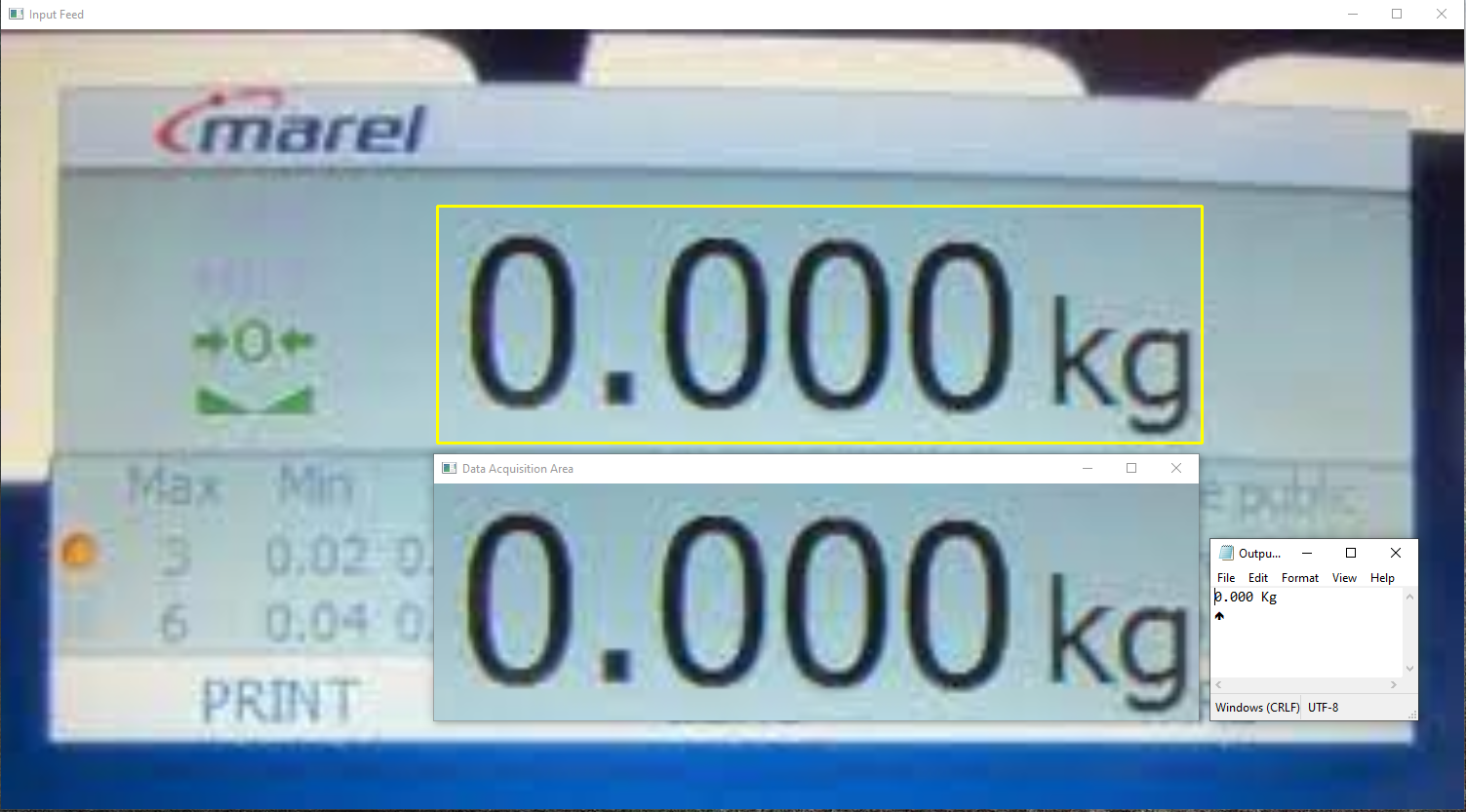
In this project, our objective was to collect data from a machine with limited data output options by utilizing optical character recognition (OCR) and a web camera. The approach involved point-and-collect data acquisition from graphical user interfaces (GUIs). Here are the key aspects of the project:
Benefits:
- Data Acquisition from Systems without Integration: The project addressed the challenge of collecting data from machines that lacked integration capabilities, providing a solution to extract valuable information from the GUIs.
- Acquire Data from Live Video Feeds: By mounting a web camera in front of the machine’s screen, we captured live video feeds, enabling real-time data acquisition.
- Store in a Database: The acquired data was processed using OCR techniques and stored in an SQL database, facilitating organized and accessible data management.
- Send Alerts via Email: The system was designed to generate alerts via email based on predefined conditions, allowing for timely notifications and proactive actions.
Components:
- Web Camera: A web camera was mounted to capture video feeds of the machine’s GUI in real-time.
- Old Laptop: An old laptop served as the processing unit, receiving the video stream and running the OCR algorithms to extract data from individual frames.
- Python Code: Customized Python code was developed to process the frames, perform OCR, and store the extracted data in an SQL database.
- SQL Database: The acquired data was stored in an SQL database for efficient data management and retrieval.
This project demonstrated a practical and cost-effective approach to collecting data from systems with limited data output options. By leveraging OCR techniques, a web camera, an old laptop, and an SQL database, we successfully achieved real-time data acquisition from GUIs. The benefits included data extraction from non-integrated systems, utilization of live video feeds, organized data storage, and the ability to send alerts for timely action.
Analog Gauge Monitoring and Data Collection for Oxygen Tanks
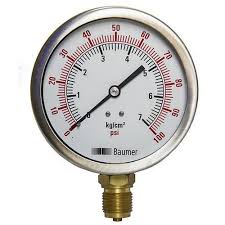
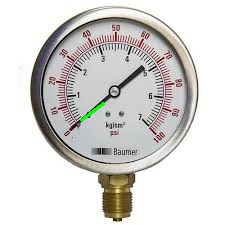
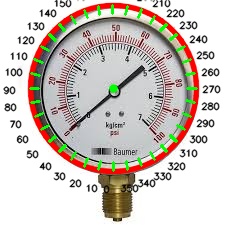
In this project, the objective was to improve the monitoring process of a liquid oxygen tank crucial to the success of the fish grow-out phase. The existing system involved four scheduled manual checks daily, and the aim was to achieve 24/7 monitoring. Here are the key aspects of the project:
Features:
- 24hr Monitoring and Logging: By installing a basic IP camera and training it on the gauge, we enabled continuous monitoring of the oxygen tank. This provided real-time data and logging capabilities throughout the day.
- Low-Level Order Alerts: With the implementation of Python code, the system was able to detect and alert users in case of low oxygen levels, ensuring timely replenishment orders.
- Failure Alarms: The project included the integration of failure alarms, triggering notifications when there were any abnormalities or malfunctions in the oxygen tank.
Components:
- Basic IP Camera: An IP camera was installed to capture live footage of the analog gauge, allowing for continuous monitoring.
- An Old Laptop: An old laptop served as the processing unit, running the necessary Python code to analyze the camera feed, process data, and generate alerts.
- Network Connection: A stable network connection was established to ensure seamless communication between the camera, laptop, and other components.
- SQL Database and Email Server: The system was connected to an SQL database to store and manage collected data, while an email server facilitated alerts and notifications.
Through the implementation of analog gauge monitoring and data collection, this project successfully achieved 24/7 monitoring of the oxygen tank. The features included continuous logging, low-level order alerts, and failure alarms, ensuring the availability of critical oxygen supply for the fish grow-out phase. The components utilized, such as a basic IP camera, an old laptop, network connection, and database/email server integration, enabled efficient data capture, analysis, and timely notifications.
Heat Mapping for Efficiency Insights in Factory Operations
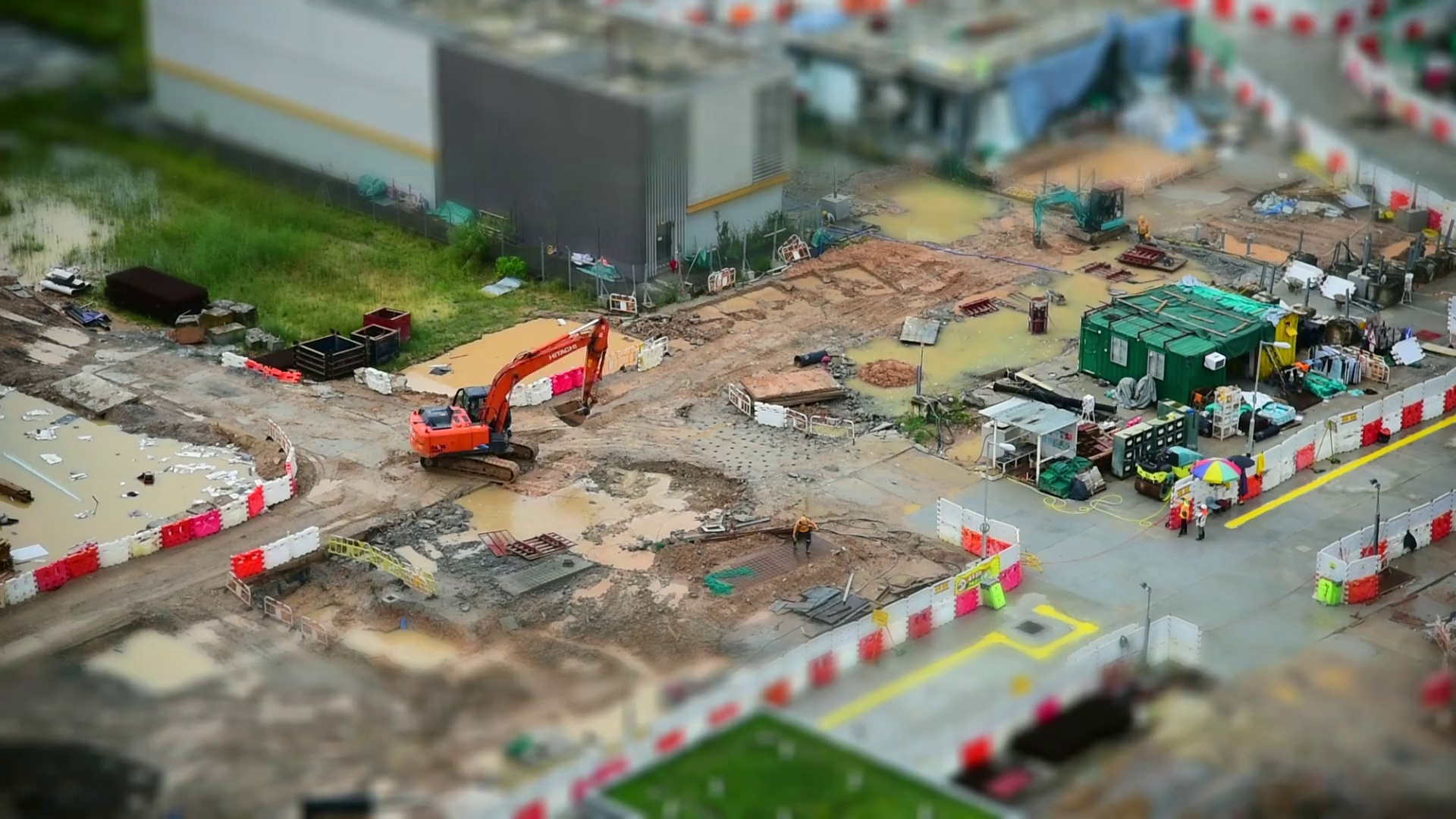
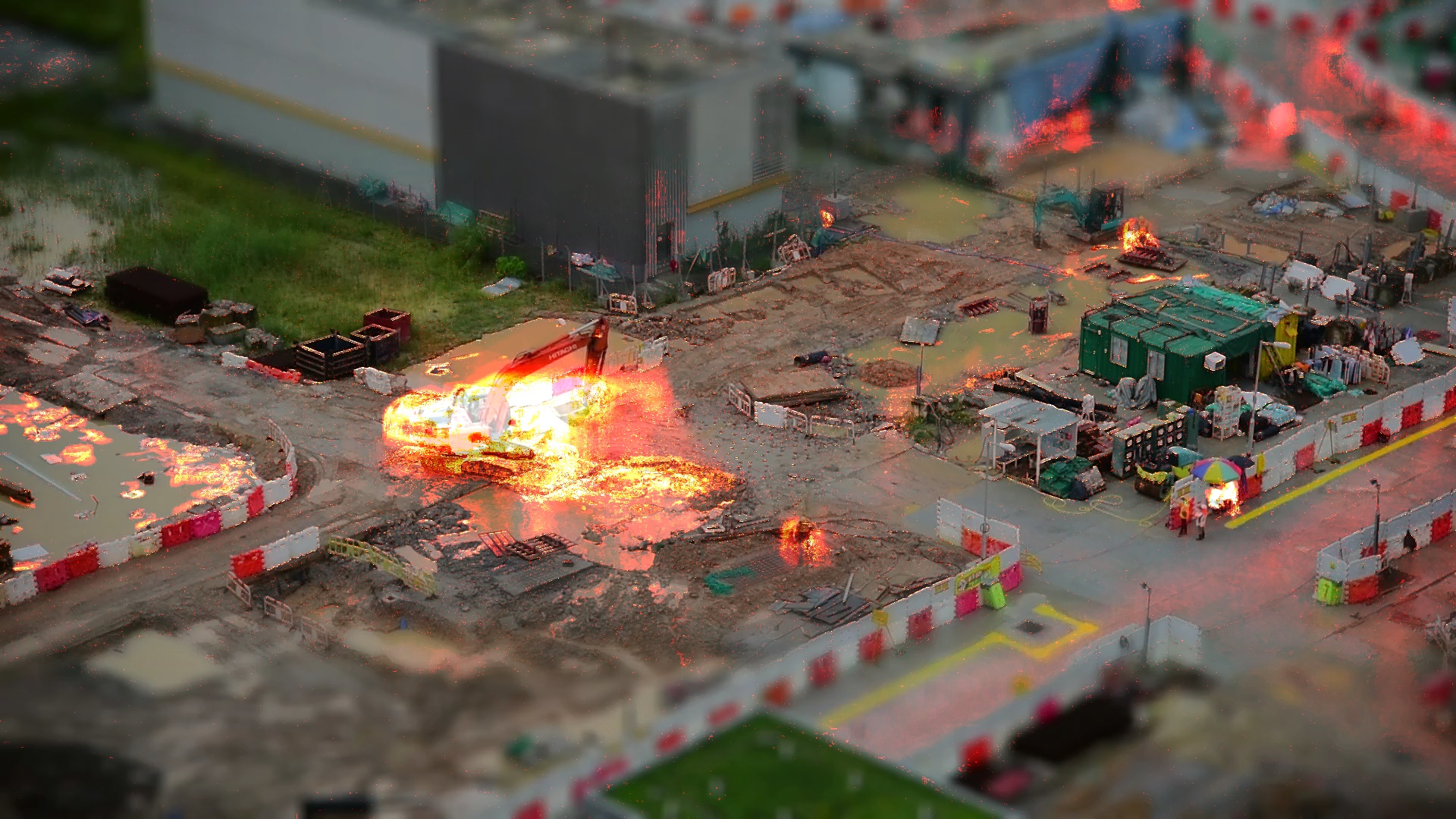


In this project, the goal was to gain efficiency insights and optimize factory operations through the implementation of heat mapping techniques. Two types of heat maps, Equipment Utilization Heatmap and Activity Heatmap were utilized. Here are the key aspects of the project:
Equipment Utilization Heatmap:
- The project involved analyzing data to generate an Equipment Utilization Heatmap, which visually represented the utilization levels of different equipment or machinery across the factory floor.
- By collecting and processing data on equipment usage, the heatmap provided insights into areas of high and low utilization, enabling better resource allocation and decision-making.
Activity Heatmap:
- The project also focused on generating an Activity Heatmap, which highlighted the frequency and intensity of activities in different areas of the factory.
- By monitoring and analyzing activity data, the heatmap revealed patterns, bottlenecks, and areas of potential improvement, leading to enhanced operational efficiency.
Benefits:
- Space Optimization: The heat mapping techniques allowed for a better understanding of equipment utilization, enabling informed decisions on space allocation and potentially avoiding unnecessary expansions.
- Resource Allocation: The insights gained from the heatmaps helped optimize resource allocation by identifying areas with low utilization or bottlenecks, allowing for better planning and distribution of resources.
- Improved Efficiency: By pinpointing activity patterns and areas of improvement, the project aimed to enhance operational efficiency, streamline workflows, and increase productivity.
Components:
- Data Collection: Relevant data on equipment usage and activities were collected through various sensors, monitoring systems, or manual inputs.
- Data Processing and Visualization: Advanced data processing techniques were employed to analyze the collected data and generate visually appealing heatmaps, allowing for easy interpretation and decision-making.
Through the implementation of heat mapping techniques, this project aimed to provide efficiency insights for factory operations. By utilizing Equipment Utilization Heatmaps and Activity Heatmaps, the project enabled better space utilization, optimized resource allocation, and improved overall operational efficiency.
Vehicle Monitoring and Number Plate Recognition for Identification and Counting
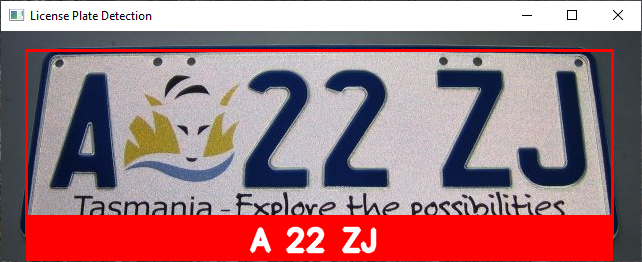
In this project, the focus was on implementing a system for vehicle monitoring and number plate recognition, enabling identification and counting of vehicles. Here are the key aspects of the project:
Vehicle Identification and Counting:
- The project aimed to develop a system capable of accurately identifying and counting vehicles in a given area.
- By leveraging number plate recognition technology, the system could capture and analyze vehicle number plates to determine unique vehicle identities and track their movements.
Number Plate Recognition:
- Advanced algorithms and computer vision techniques were employed to extract number plate information from images or video feeds.
- The system utilized optical character recognition (OCR) to convert the captured number plate data into readable text.
- By comparing the recognized number plates with a database or predefined list, the system could identify individual vehicles and count their occurrences.
Benefits:
- Enhanced Security and Surveillance: The vehicle monitoring and number plate recognition system offered improved security measures by allowing for the identification and tracking of vehicles in real-time.
- Traffic Management and Planning: Accurate vehicle counting and identification facilitated better traffic management and informed decision-making in terms of infrastructure planning and optimization.
Components:
- Cameras or Video Feeds: High-resolution cameras or video feeds were used to capture images or video footage of vehicles and their number plates.
- Number Plate Recognition Algorithms: Advanced algorithms and OCR techniques were implemented to extract and interpret the number plate information from the captured data.
- Database or Predefined List: A database or predefined list of authorized or flagged number plates was utilized for comparison and identification purposes.
Through the implementation of vehicle monitoring and number plate recognition, this project offered a range of benefits, including enhanced security and surveillance and improved traffic management. By utilizing cameras, advanced algorithms, and a database or predefined list, the system provided accurate vehicle identification and counting capabilities for various applications.
 XYZ Tech Labs